1. Give the route a purpose before adding stops
A successful multi-city trip is a sequence of experiences, not a collection of arrival photographs. Choose one or two anchor experiences that explain why the journey matters. They might be a particular cultural visit, time with friends or an outdoor activity that needs several possible days. Add other stops only when they support that purpose and fit the available time after transfers are counted honestly.
Make a separate list of attractive places you are willing to leave for another trip. This prevents every interesting nearby name from becoming a compulsory overnight stay. A destination can be worthwhile without belonging on this route. If a proposed stop adds packing, a station transfer and another check-in but only a short evening outside, compare that cost with what an extra full day at an existing base would provide. Often the simpler route offers more actual travel experience.
2. Count usable periods rather than calendar days
Nights are useful for accommodation planning but can mislead when measuring sightseeing time. A two-night stay may contain only one full day, and that day may be the sole opportunity for an important outing. Mark each day as arrival, full local day, transfer or departure before placing attractions. Keep meals, rest and ordinary logistics visible rather than treating them as activities that somehow happen between bookings.
For each transfer, work backward from the required departure process and forward from the realistic arrival at your next base. Include packing, local transport, waiting, baggage and getting oriented again. Do not assume every journey is wasted time; some can be enjoyable parts of the holiday. But make that a deliberate choice. A scenic transfer still consumes the daylight or energy you might otherwise have assigned to a museum, a walk or an early start.
3. Audit the whole transfer, not the line on the map
A route map is a good way to spot backtracking and awkward detours. It is not a timetable, a road assessment or a booking engine. Check actual services with the relevant transport provider for your travel date. Nearby cities can be inconveniently connected, while a longer-looking journey can be straightforward. The important measurement is the usable time and effort required from one accommodation base to the next.
Be particularly careful with estimates shown as distance or flight time. A geographic radius is not a road-distance guarantee, and an approximate flight duration does not establish that a direct service exists. The comparison below is a planning worksheet, not a statement of current schedules. Apply it to each leg before deciding whether the route is genuinely compact.
| Transfer pattern | Often omitted from the plan | What to verify | Likely itinerary adjustment |
|---|---|---|---|
| City-to-city train | Station access and arrival-side transfer | Dated timetable and ticket conditions | Keep arrival sightseeing optional |
| Flight between cities | Airport access, processing and baggage | Actual service and connection protection | Avoid a fixed major visit after landing |
| Road transfer | Stops, weather and route restrictions | Current road advice and realistic route | Allow daylight and recovery time |
| Seasonal excursion leg | Limited operating dates or cancellations | Operator calendar and alternatives | Add a spare opportunity or remove the leg |
4. Match weather information to each stop's dates
A route can cross very different weather regimes, and a later stop may fall outside the current forecast window. Check each destination independently rather than letting the first city's conditions represent the trip. At the seasonal planning stage, use historical summaries as context. The city's roughly three-year archive summary is recent history, not a thirty-year standard normal; other historical tools may cover different periods.
Open-Meteo's archive uses reanalysis, so its broad location data should not be treated as a measurement of every path or neighborhood. This matters when a city stay includes an excursion to a coast, mountain or exposed landscape. Keep a note beside each stop stating what still needs local verification. For example, a comfortable city temperature does not establish safe conditions for a hike, and a dry city forecast does not settle marine conditions.
5. Allocate nights around fragility, not equal shares
Equal nights in every city can look tidy while supporting the trip poorly. A place with many indoor options may cope with one fixed full day. A stop whose purpose is an exposed excursion may need several possible slots. Give time to the destination that benefits from it, rather than dividing the itinerary mechanically. Ask what happens if the first planned outdoor day is unsuitable.
Also distinguish a recovery day from a sightseeing day. After a demanding journey, you may technically have an afternoon available but little appetite for a complicated timed visit. A slower arrival can make the following full day far better. Where possible, avoid placing a weather-sensitive highlight on the same day as a long transfer. That combination makes two independent uncertainties compete for the same narrow window and gives you few options when either changes.
6. Worked example: seven nights split between Lisbon and Rome
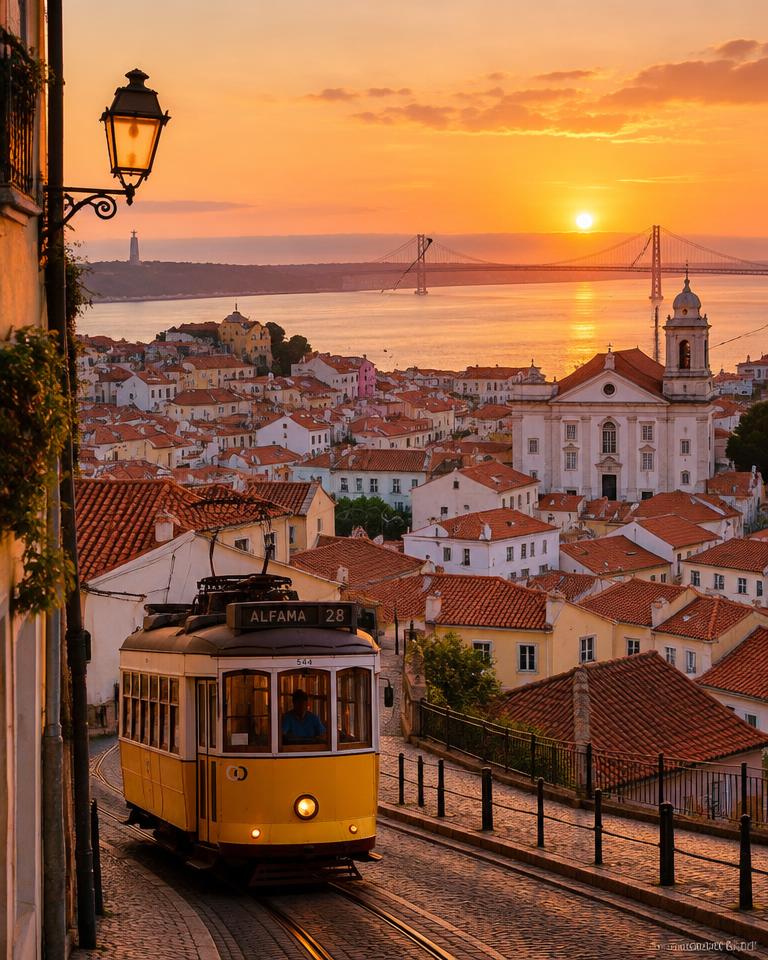
Consider a seven-night holiday beginning with three nights in Lisbon and continuing with four in Rome. This is an itinerary structure, not a claim about available flights or journey times; confirm the actual connection before booking. In Lisbon, keep arrival day light, use one full day for Alfama when conditions suit, and use the other for the National Tile Museum subject to its current opening. The tourism authority documents both experiences.
Treat the next day as a transfer to Rome, with only optional local activity after arrival. Across the three subsequent full days, place the Capitoline Museums according to ticket availability, keep a Villa Borghese walk on a suitable day and leave another block for a slower cultural visit or recovery. Rome's tourism authority confirms the museums and the park's cultural setting; check individual entry arrangements before fixing the sequence.
Putting the example into practice
The final morning is departure time, not a hidden extra sightseeing day. Adding a third city would remove one of the few full local days or create another transfer. Keep it off this route unless its experience matters more than the time it displaces.
7. Reduce cross-city travel inside each stop
An efficient international route can still lose hours to poorly grouped local activities. Cluster experiences geographically, then preserve weather flexibility within each cluster. Do not move an outdoor visit to a better-looking morning if doing so creates an exhausting trip across the city and back before a fixed booking. Local transfers are part of the itinerary, not invisible gaps.
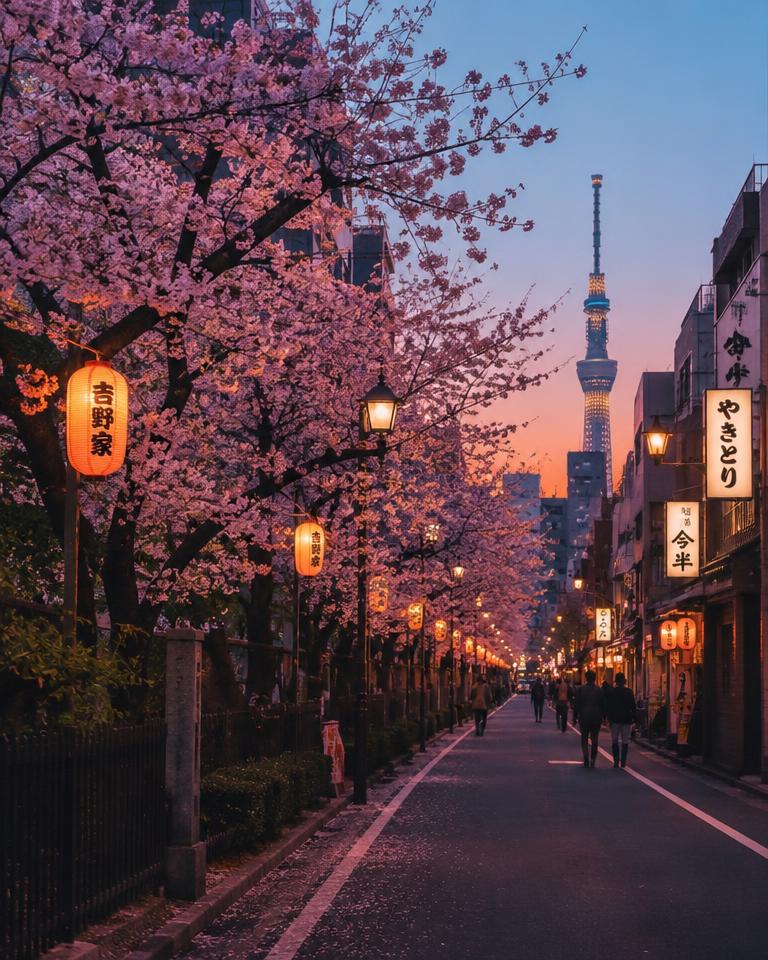
Tokyo's Ueno is a useful illustration: the official guide describes a transport hub beside Ueno Park and its museums. That combination can support a local day with outdoor and indoor components, rather than a succession of distant sights. It does not mean every venue is next door or that admission is always available. The Tokyo image provides destination context only, not a route map or forecast.
8. Put buffers where a disruption would propagate
A buffer is most valuable before an important connection or beside a fragile activity. An extra night at the wrong end of the route may not help when a weather-dependent excursion is canceled earlier. Trace the consequences of a delay: would it affect only one afternoon, or also the next city's accommodation and your journey home? Use that chain to decide where spare time belongs.
Seasonal road access deserves particular attention. Visit Iceland explains that highland F-roads operate only during a limited summer period and that weather can affect other roads. A route that assumes every mapped connection is available can therefore fail before sightseeing begins. Verify current access through official sources and do not use a spare hour as a substitute for an appropriate seasonal route. Sometimes the correct buffer is an overnight stay; sometimes the correct decision is to omit the leg.
9. Test the itinerary before paying for it
Read the itinerary as if you were taking it tomorrow. Can you explain where your bags are during each activity? Is there time to reach a booked entry after checking in? Which outdoor plan moves if rain arrives? If the answer repeatedly depends on everything going perfectly, simplify before purchasing. A route should work under ordinary travel friction, not merely under the fastest possible sequence.
Use the checklist to identify missing decisions rather than to create paperwork. The purpose is to expose hidden transfers and fragile assumptions while changes are still inexpensive. After booking, keep a concise version available offline alongside the actual tickets and accommodation details. A planner overview can organize the trip, but provider confirmations remain the authority for transport and entry conditions.
Before you go
- Label arrival, full local, transfer and departure days.
- Verify each leg with the actual transport provider.
- Check weather context for every stop and its dates.
- Confirm seasonal access for roads and excursions.
- Keep fixed bookings clear of uncertain arrivals.
- Assign a realistic alternative to the main outdoor experience.
- Remove a stop if it eliminates necessary recovery time.
10. Revise activities before rebuilding the route
Near departure, use dated forecasts to adjust activities inside each stop first. Changing the whole route to chase a slightly better icon can introduce new transfer costs, availability problems and uncertainty. A historical pattern should have informed the season; the current forecast should refine the daily sequence. If a forecast changes, identify the smallest adjustment that preserves the trip's purpose.
Official warnings, access closures or major disruption can justify a larger revision. In that case, remove the unsafe or impractical leg rather than trying to recover every planned attraction elsewhere. A good multi-city itinerary has a hierarchy: essential experiences, desirable additions and expendable extras. Knowing that hierarchy makes changes calmer. The route succeeds when you have enough time to experience its places, not when you complete every dot on the original map.
Frequently asked questions
How many cities should I include?
Include only stops whose main experiences fit after realistic arrival, departure and recovery time. If each destination receives only one fragile sightseeing window, remove a stop before adding more reservations.
Does a route map show realistic journey times?
Not by itself. A map can explain the route's shape, but actual journeys depend on schedules, connections, station or airport access, check-in requirements and seasonal operations.
Can I use the first city's forecast for the whole route?
No. Check each stop for its actual dates. Coasts, inland areas, elevations and distant regions can have different conditions, and later stops may not yet be inside the forecast window.
Where should I put spare time?
Place it near the experience or connection that most needs protection: an exposed excursion, an uncertain seasonal transfer or the departure gateway. A spare night elsewhere may not help.