1. Build three different days rather than one repeated marathon
Rome’s official 72-hour itinerary links ancient monuments, historic squares and major cultural areas into a broad introduction. Its geographical logic is useful, but a first visit becomes more enjoyable when you resist treating every suggested stop as compulsory. This guide separates the archaeological day, the historic-center walk and a major cultural day so that each has a clear purpose and a realistic stopping point.
Assume three full sightseeing days, not three calendar dates partly consumed by flights. Decide which interior visits matter most before arranging the outdoor route. If the Colosseum is essential, let its confirmed admission shape that day. If the Vatican Museums are central to your interests, give them their own substantial block. The itinerary is a planning framework, not a claim that current admissions, queues or religious access follow a fixed daily pattern. Verify those details before reserving the rest.
2. A manageable three-day outline
The ancient-city and historic-center groupings below draw on Turismo Roma’s official 72-hour route. The allocation across days is an editorial recommendation designed to reduce overload. Use it to arrange priorities, then confirm the individual attractions’ current access arrangements.
| Day | Main focus | Core plan | Optional addition |
|---|---|---|---|
| 1 | Ancient Rome | Colosseum, Forum and Palatine according to booked access | A short Monti visit |
| 2 | Historic center | Capitoline area, Trevi Fountain and a measured central walk | Capitoline Museums or another chosen interior |
| 3 | Major cultural interest | A Vatican-focused day or a slower alternative | Only a nearby, energy-dependent addition |
3. Resolve reservations before comparing passes
Turismo Roma describes the Roma Pass as a city tourism product including public transport and attraction benefits, while explicitly directing visitors to check individual museums for access, reservations and opening arrangements. That is the correct order of operations: identify the visits you want, establish their current rules, then compare whether a pass serves that route. A pass is not a substitute for understanding a timed entry.
Be especially cautious with old booking instructions, telephone numbers or reseller references embedded in longstanding itinerary pages. Official publication does not make every logistical detail permanently current. Use the tourism itinerary for orientation and the relevant attraction’s current information for the transaction. Check the exact product, named access areas, change conditions and arrival instructions before paying. Avoid buying a second package simply because the first product’s marketing language leaves its actual inclusions unclear.
4. Day one: give ancient Rome the time it deserves
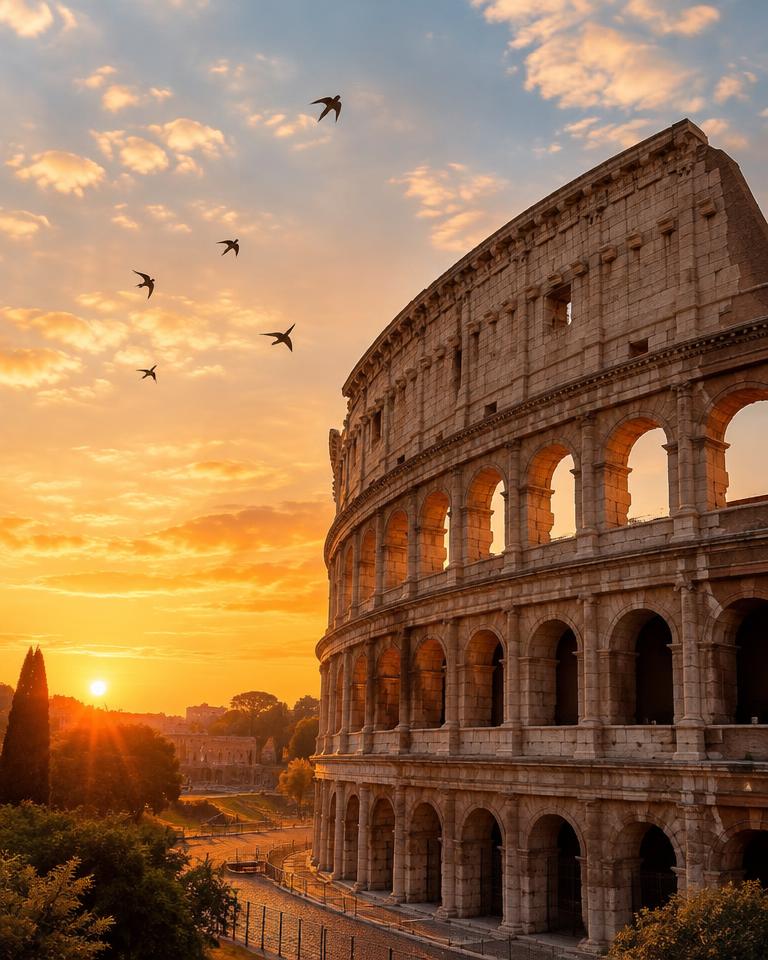
Begin with the Colosseum and the archaeological landscape of the Forum and Palatine, arranged around your actual admission. Turismo Roma’s official itinerary groups these sites and emphasizes the relationship between the hill and the Forum valley. Treat them as a substantial day of looking, walking and understanding spatial connections, not as three separate boxes to tick before lunch. Your ticket’s current conditions determine the practical sequence.
Leave a generous gap between this visit and any later commitment. Archaeological sightseeing can be demanding even when the map makes distances look modest. Carry what current access rules permit, plan for the conditions and take breaks rather than trying to preserve an ambitious afternoon. If you want a specialist visit or access beyond a standard product, confirm exactly what has been purchased. Do not assume that a photograph or broad package title establishes which parts you may enter.
5. Finish the first day with a lighter Monti visit
After the archaeological visit, Turismo Roma’s route suggests moving toward the Monti neighborhood via the surrounding central streets. Use Monti as a possible place to slow down, eat and absorb a different scale of the city rather than as another intensive sightseeing assignment. The point of this addition is contrast: after a major monument complex, an ordinary neighborhood walk can provide enough new experience without another lengthy interior.
Keep the finish conditional on your energy. If the morning has taken longer than expected, shorten the walk and return to your accommodation. This is preferable to cutting the archaeological visit merely to preserve an optional evening plan. Do not lock in a distant reservation unless it is important enough to shape the day from the beginning. A successful first day should leave you interested in tomorrow, not exhausted by the effort to see everything immediately.
6. Day two: historic streets, the Capitoline area and Trevi
Use the second day for a measured historic-center route. Turismo Roma connects the Capitoline area, Piazza Venezia and the Trevi Fountain within its wider itinerary. These provide a source-supported framework for a day focused on urban spaces rather than another enormous archaeological visit. You do not need to reproduce every turn of an official walk; choose a sequence that suits your starting point, current access conditions and principal reservation.
Give the streets between landmarks some attention. Build in a meal and a seated break before deciding whether to add another interior. If the Capitoline Museums are a priority, make them a main visit, not an assumed extra between photographs. If your interest lies more in the city’s outdoor spaces, keep the museum optional. Do not confuse passing a landmark with having completed a full visit, particularly when current entry or crowd-management arrangements require additional planning.
7. Add depth to the center without adding a second marathon
The official Rome itinerary moves through a dense sequence of important places, but density does not eliminate the need to choose. Decide whether your second day is primarily a walk or a museum day with a walk around it. Those are different itineraries. When every interior is treated as a quick addition, meals, navigation and rest become the things that disappear, even though they are what keep the day workable.
One useful method is to select a single interpretive theme: civic space, ancient remains in the modern city, or the contrast between large monuments and smaller streets. Let that theme determine which optional stop you retain. Check admission rules for any interior before approaching it as an impromptu visit. Leave the late afternoon uncommitted until you know how you feel. You can finish with a modest stroll and still have had a rich day in the historic center.
8. Day three: make a deliberate Vatican decision
A Vatican-focused day is an option, not an automatic requirement for every traveler. Turismo Roma’s visitor-product information identifies the Vatican Museums and Sistine Chapel among the major bookable experiences associated with a Rome visit. If these are central to your interests, investigate their current official booking arrangements and give them a substantial part of the day. Do not use a package description as proof of current access rules.
Keep museum admission, any separate religious-site visit and transport as distinct planning questions. Confirm opening arrangements, security requirements and appropriate behavior directly for each place you intend to enter. Avoid attaching another major citywide commitment to the end of the day. If Vatican sightseeing is not a priority, use the third day for an unfinished museum, a favorite neighborhood or a slower return to the historic center. Choosing depth over obligation is a legitimate way to spend limited time.
9. Worked example: fixed tickets change the order, not the whole trip
Suppose your only suitable Colosseum admission is on the second afternoon, while a desired museum visit is available on the first morning. Exchange the day labels rather than forcing the original sequence. Put the museum and a lighter central walk on day one, preserve the second day for ancient Rome, and leave day three for the Vatican choice or a flexible cultural alternative. The geographical blocks remain useful even when the calendar order changes.
Putting the example into practice
If the archaeological admission is later in the day, do not fill the morning with another exhausting visit merely because time appears available. Use it for a shorter nearby walk, a meal and a calm arrival. This protects the experience you actually reserved. Likewise, if rain or fatigue affects the historic-center day, shorten the route rather than sacrificing every planned break. The worked example demonstrates a general rule: protect the main experience and trim optional movement first.
10. Final checks for a realistic Rome visit
Three days in Rome are most satisfying when you accept that selection is part of the experience. A substantial archaeological visit, a thoughtful historic-center day and one major cultural choice form a complete introduction. Extra attractions are worthwhile only if they improve those days rather than making them harder to enjoy. Reserve what genuinely needs reserving, then leave ordinary street exploration room to happen.
Before departure, check current information again, especially where an older itinerary supplied the initial idea. Confirm the entry instructions saved with each booking and keep transport coverage separate from attraction coverage. If a pass appears useful, calculate it against the plan you will actually follow, including required reservations. The checklist below is intended to prevent administrative surprises while preserving the most valuable part of the trip: enough time and attention to appreciate what you chose.
Before you go
- Identify your two or three essential interior visits.
- Verify current official ticketing and entrance instructions.
- Check what each purchased product actually includes.
- Compare Roma Pass benefits with the route you intend to follow.
- Leave substantial time for the Colosseum, Forum and Palatine.
- Keep the historic-center day flexible.
- Treat a Vatican-focused day as a major commitment.
- Remove optional stops before removing rest and meal breaks.
Frequently asked questions
Can I see Rome in three days?
You can have a rewarding introduction to selected ancient sites, historic streets and major cultural interests. You cannot see everything, so the itinerary deliberately leaves choices.
Should I buy the Roma Pass?
Compare its current inclusions and reservation requirements with the attractions and transport you will actually use. Official tourism guidance says participating museums’ individual access rules still need checking.
Should I combine the Vatican and Colosseum in one day?
This guide recommends separating them because each can require substantial time and energy. Combining them reduces flexibility and makes delays more consequential.
Are the booking details in older official itineraries still reliable?
Do not assume so. Use older official routes for geographical context, then verify current ticketing, entrances, opening times and access conditions directly.